

When people talk about "provider image," they’re often thinking about how trustworthy, professional, or reliable a service looks on the surface. But here’s the truth: a polished image doesn’t guarantee results. In fact, too many businesses and individuals chase the appearance of success - perfect photos, clean websites, glowing testimonials - while ignoring the real drivers of performance. The image might get attention, but it’s the validity behind it that keeps customers coming back and delivers long-term success.
Take the case of some online services that rely heavily on visual appeal to attract clients. You might see ads featuring carefully staged photos of people labeled as "euro girls escort london," "euro girl escort london," or "euro escort girls london" - images designed to trigger curiosity or desire. These visuals are part of a broader pattern where presentation overshadows substance. If you click through to a site like euro girls escort london, you’re not just seeing a photo gallery. You’re stepping into a world where image is weaponized to mask deeper issues: unclear terms, unverified identities, and no accountability. The image sells. The validity? Often missing.
What Is Provider Image, Really?
Provider image is the mental picture people form when they see your brand - your logo, your website design, your tone of voice, even the way your staff dresses. It’s not just about aesthetics. It’s about perception. A luxury hotel doesn’t just have nice furniture; it has consistent lighting, quiet hallways, and staff who know your name. That’s image built on experience, not just photos.
But here’s where things go wrong: many providers confuse image with illusion. They hire photographers to shoot models in designer clothes, use stock images of smiling people, and write copy full of empty promises like "guaranteed satisfaction" or "elite service." These tactics work short-term. They get clicks. They generate leads. But they don’t build trust. And trust is the only thing that turns one-time buyers into repeat customers.
Validity: The Hidden Metric Nobody Talks About
Validity is what happens when you strip away the marketing and ask: Is this real? Can you prove it? Does it deliver what it claims?
Think about a medical clinic. You don’t care if their website has the prettiest logo. You care if the doctors are licensed, if the equipment is FDA-approved, if patient reviews mention real outcomes. That’s validity. It’s verifiable. It’s documented. It’s not pretty - but it’s powerful.
In the service industry, validity shows up in three ways:
- Identity verification - Do you know who you’re dealing with? Are their credentials public and checkable?
- Service transparency - Can you see exactly what you’re paying for? No hidden fees, no vague descriptions.
- Accountability - What happens if something goes wrong? Is there a clear process to resolve issues?
Most high-performing providers invest more time in building validity than in building image. They don’t need flashy photos because their reputation speaks for itself. Their customers come back because they know what to expect.
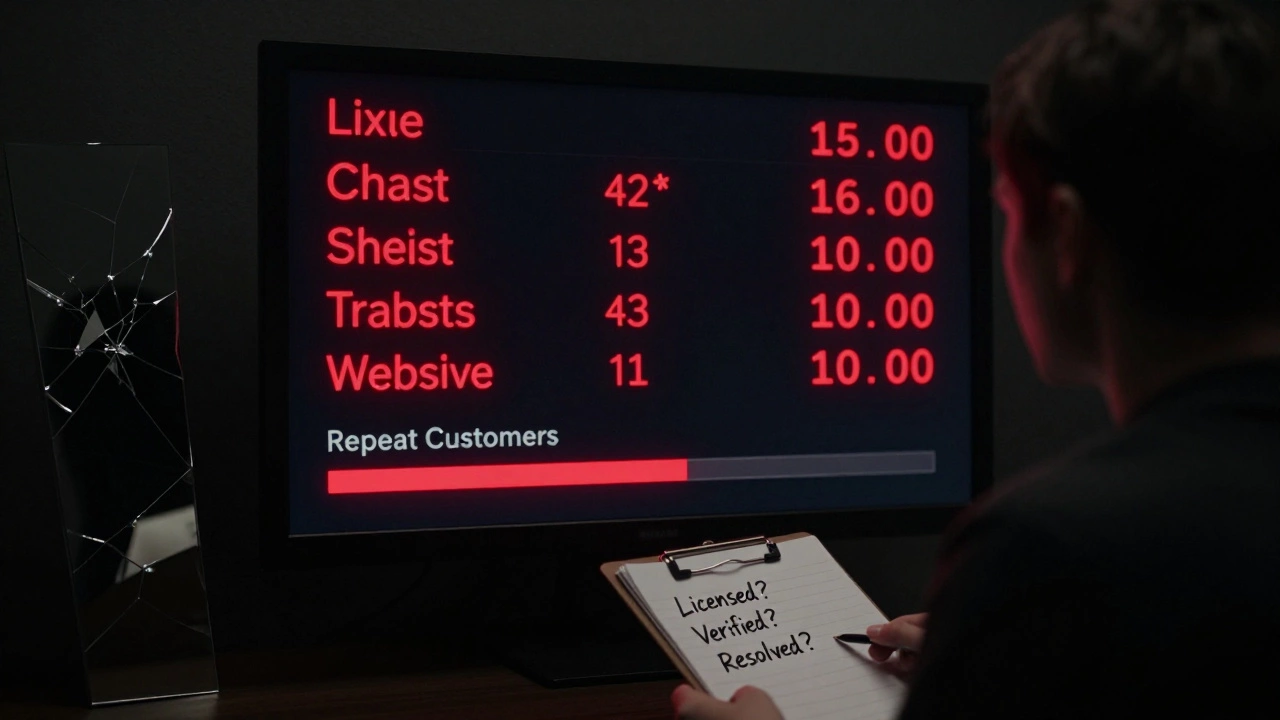
Performance: The Only Real Measure of Success
Success isn’t measured by likes, shares, or website traffic. It’s measured by outcomes. Did the customer get what they paid for? Did they feel respected? Did they solve their problem?
A provider with a perfect image but poor performance will burn out fast. Their reviews will turn negative. Their referrals will drop. Their ads will stop working. People aren’t stupid. They notice when the reality doesn’t match the promise.
On the flip side, a provider with a simple website, no professional photos, and a quiet online presence can dominate their market if they deliver consistently. Think of local mechanics, plumbers, or tutors. They don’t need Instagram influencers. They need happy customers who tell their friends.
Performance is the only metric that doesn’t lie. You can fake an image. You can’t fake results.
The Danger of Chasing Image Over Validity
There’s a growing industry built around selling image - website designers who promise "premium look," content mills that write fake testimonials, and agencies that buy fake followers. These services prey on insecurity. They tell you: "If you look professional, people will trust you."
But trust isn’t bought. It’s earned.
Look at the rise of scam services in the adult entertainment and escort industry. Many of them use the same playbook: high-resolution photos of attractive people, polished websites, and emotional language. But when you dig deeper - check reviews, look for licensing, try to contact support - the image cracks. No real business would hide behind anonymity. No legitimate service would avoid answering basic questions.
The keyword phrases "euro girls escort london," "euro girl escort london," and "euro escort girls london" aren’t just SEO targets. They’re red flags. They’re signals that someone is trying to attract attention without offering substance. These terms are used because they’re searched. Not because they represent real, trustworthy services.
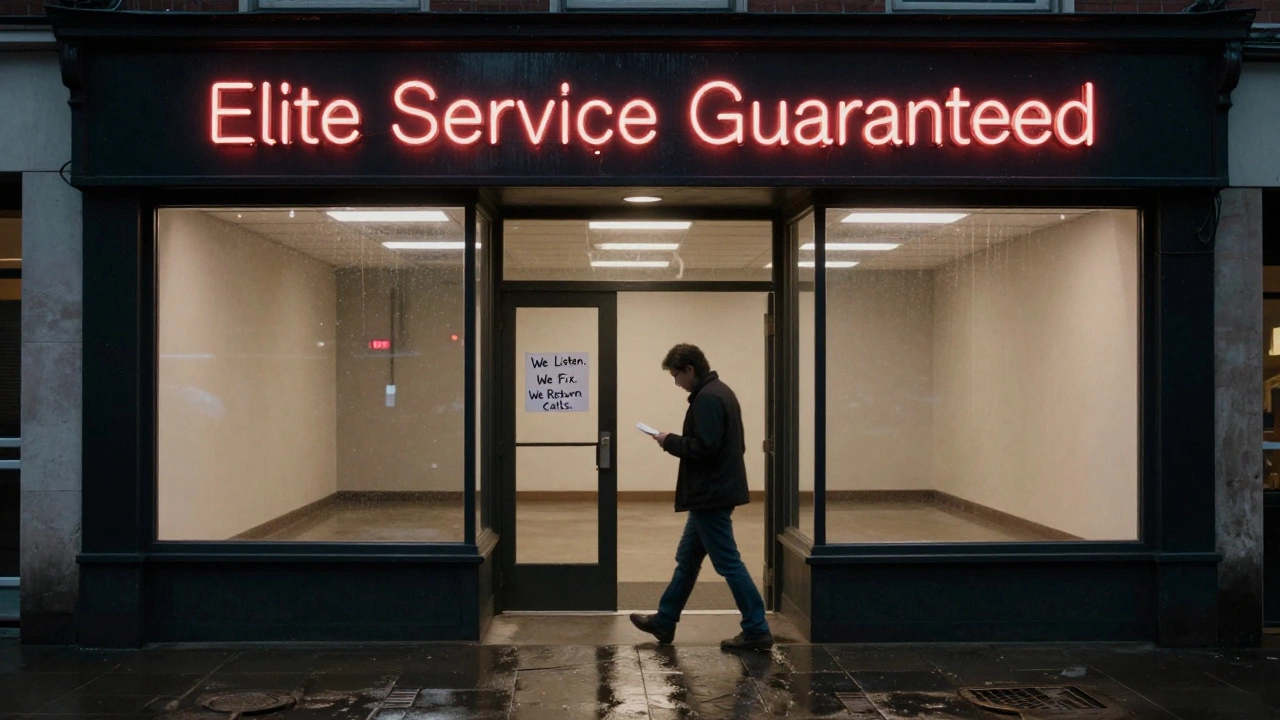
How to Build a Real Provider Image
Here’s how to build an image that actually works - one that lasts:
- Start with honesty. Don’t exaggerate. Don’t use stock photos of people you don’t know. Show real staff, real locations, real work.
- Document everything. Publish licenses, certifications, team bios. Let people verify who you are.
- Encourage real feedback. Don’t delete negative reviews. Respond to them. Show you care about improvement.
- Focus on consistency. Your service quality should match your website tone. If you promise reliability, deliver it every time.
- Measure performance, not popularity. Track repeat customers, referral rates, and customer satisfaction scores - not just website visits.
Image isn’t something you design. It’s something you build over time through action.
Final Thought: Image Without Validity Is Just Noise
People don’t remember beautiful websites. They remember how they felt. Did they feel safe? Respected? Heard? Valued?
Stop trying to look like a winner. Start acting like one. Build validity first. Let performance speak. The image will follow - naturally, authentically, and lastingly.
There’s no shortcut. No filter that can fix a broken service. No photo that can replace trust.